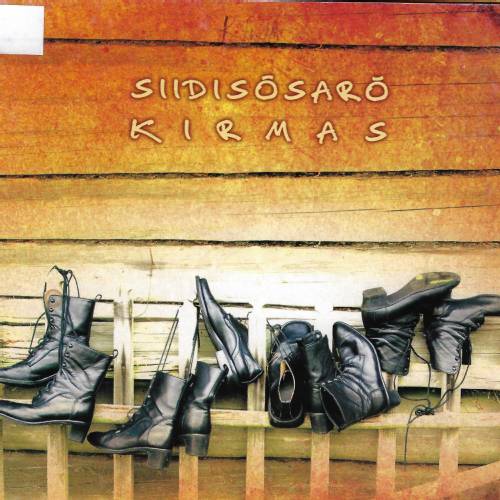
Siidisõsarõ'


We started to sing together in 1994. Although living and working in Tallinn, the roots of our singers reach to Setomaa, and we wanted to bring the Seto leelo from our home villages to the capital city. The most important events for our choir members are Seto Leelo days, Seto Kingdom Day, Tallinn City Days, Estonian Open Air Museum events, various festivals, etc. related to the Seto traditions and customs. Our rehearsals take place twice a month and we really look forward to them. Although much of the rehearsal is spent singing, learning new songs and dancing, we always find time to listen to each other, celebrate anniversaries and discuss the world affairs. We communicate mostly in the Seto language. We got the melodies and lyrics from our ancestors – from the song memory and notes of our mothers and grandmothers. Sometimes we create new lyrics for old melodies and make greeting songs for anniversaries. Upcoming performances are very motivating - we always think thoroughly together in advance, for whom we will perform and what message we will convey. Every performance is a day of celebration and joy for us. And fortunately not only for us, but also for the listeners. After the performance, we have often been told that we bring a good mood and that our songs will be ringing in listeners’ ears for a long time. That’s precisely why we do all this: that there would be less worries in the world and more seto leelo, vitality and power!
Leelo õks tuudi pääliina,
umast kallist esäkotost.
Siih mi õks laula vanno laulõ,
uma imä opatuisi.
Vanik meil viil vahtsõkõnõ,
lindi’ lilli-iälitsõ’.
Vanik taht õks vallatõlla’,
lindi’ tahtva’ leelotõlla’.
Seto Lauluselts Siidisõsarõ nakaś kokko käümä 1994. aastagal. Leelopargikõsõ lauljide juurõ’ omma’ Setomaalt, hot´ käüdäs kokko Talinahe. Meil oll´ suur iso üteh leelotõlla ni laulda’ uma kodokülä laulõ pääliinah. Mi pargi rahvalõ om kõgõ tähtsäbä’ seto leelopäävä’, kunigriigipäiv, Talina liina päävä’, Vabaõhumuuseumi pido’ ni tõõsõ’ suurõba’ pido’, mia omma’ köüdet seto traditsioonõ ja kombidõga. Mi leelo- ja tandsoproovi’ omma’ kats vuuri kuuh, kõgõ väega oodami kokkosaamisi! Suur osa aost lätt laulõ haŕotusõ ja vahtsidõ laulõ opmise pääle ni tandsolõ, a lövvämi aigo ka ütstõsõ ar kullõmisõ jaost, praasnikide pidämisest ja ilmaelost kõnõlõmisõst. Püvvämi õks seto kiilt kõnõlda’. Viie’ ni sõna’ tulõva’ õks juuri piteh immi ni vanaimmi käest vai kirja pant märko piteh, a teemi õks eis ka sõnno vai mõtlõmi mõnõ aulaulu. Tähtsäst piämi esinemiisi, sis märgotami pikält määntsit laulõ laulda’. Õka lava pääle astmist oodami väega, śoo om meile suur pido- ni rõõmupäiv! Ja nisamatõ ka kullõjilõ. Pääle esinemiisi om meile õks kitetü, et toomi kõgõ üteh hüä laadna olõki ni mi laulu’ jääse’ viil kavvast kõrvu kumisõma. A tuuperäst mi taad asja teemiki - et ilmah olõssi veideba rasõhuisi ni rohkõp seto leelot, joudu ja väke. Oodami umma koori ka vahtsit lauljit: setosit ja seto kultuuri huviliisi!
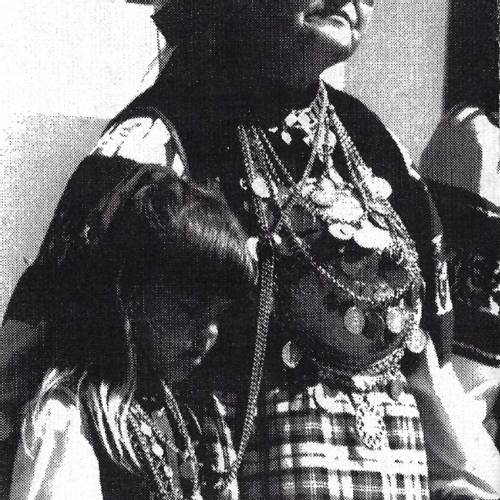
Siidisõsarõ 1999
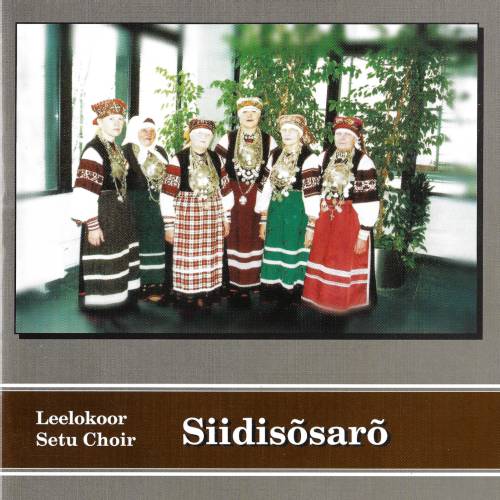
Siidisõsarõ 2003
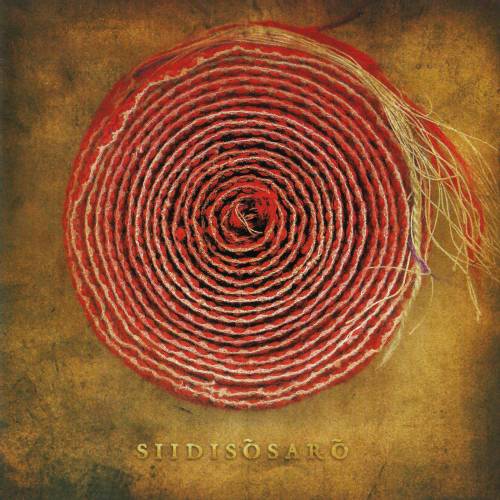
Siidisõsarõ 2006